

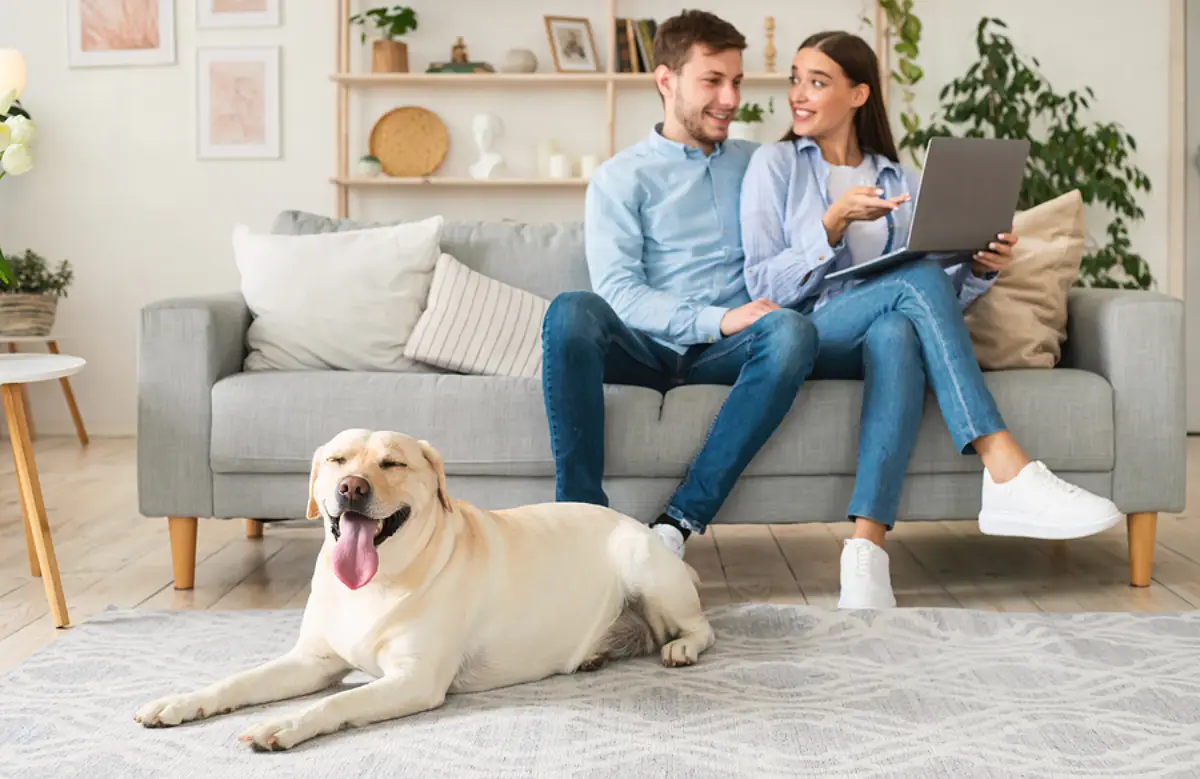
Many landlords underestimate how many potential tenants have pets and are looking for rental properties that allow them. The first thing that comes to mind is the damage that can come from allowing animals, and while that is a valid concern, it's manageable.
Pet ownership is the norm, not the exception. By restricting pets, you are missing out on more than half of your tenant pool. By being the solution to the challenges of finding pet-friendly rentals, you can reduce your vacancy rate and even increase your rental income.
Key Highlights:
- Pet owners make up over half the rental market. Turning them away shrinks your pool of potential tenants and can extend vacancy periods.
- Flooring choice matters most. Durable, scratch-resistant options like vinyl plank, laminate, or sealed hardwood hold up better than carpet and reduce turnover costs.
- A secure yard strongly appeals to dog owners. Checking for gaps or weak spots, along with pet-safe flea and pest prevention between tenants, protects both the property and future renters.
- A written pet policy reduces risk. Setting clear rules on pet numbers, size, and breed, along with required documentation like vaccination records and pet insurance, gives you legal and practical protection.
- Screening and consistent inspections prevent disputes. Asking about a pet's history upfront and checking in regularly helps you catch normal wear and tear before it becomes a costly problem. Asking about a pet's history upfront and checking in regularly helps you catch normal wear and tear before it becomes a costly problem.
What You Can Do
Being pet-friendly isn't just about allowing pets. It’s also about providing the right amenities and environment to make your tenants’ lives easier and increase property appeal for pet owners. Here are a few key changes you should make:
Start With the Physical Space
Choose durable, pet-resistant flooring to reduce replacements and maintenance. Carpet is the biggest liability in a pet-friendly unit, since it absorbs odors, stains easily, and can be expensive to replace. If you’re renovating, consider durable options like luxury vinyl planks, laminate, or sealed hardwood.
These options are more scratch-resistant and less stain-prone. They are also much easier to clean between tenants. If you’re working with a limited budget, you can have your carpet professionally cleaned instead and treat it with a stain-resistant finish.
Secure the Yard
If your rental property has a yard, tenants will likely inspect how secure it is for their pets. A fenced yard can be a major selling point for dog owners. Check your perimeter for loose boards or spots where pets can dig their way out.
It’s also important to consider flea and pest prevention between tenants, not just for the safety of the tenant’s pets, but also to keep it from getting worse. Research the products you use, since some flea and tick sprays aren't always pet-safe.
Build a Clear, Fair Pet Policy
Pet policies protect you from the risks many property owners fear. Landlords are reluctant to allow pets for a reason. Without proper training and rules, they can cause extensive property damage and put your other tenants at risk.
Set reasonable restrictions, such as how many pets are allowed, particular breeds or sizes that are restricted, and which animals are permitted. Be sure to check laws that may apply to this policy. For example, the Americans with Disabilities Act (ADA) prevents landlords from applying pet policies to service animals.
Require Documentation
Tenant safety should be your priority, and you can support that by requiring documentation that proves vaccinations. You can even require pet or renters insurance to cover liability for pet-related incidents.
Documentation should also include basic information, like the pet’s name, age, temperament, training, and vet history. This lets you review the pet’s illness and treatment history, which matters a lot if you have other pet owners in the property.
Screen Tenants and Their Pets Thoughtfully
Beyond documentation, it’s also recommended that you screen tenants for pets. During the application process, you can ask about the pet’s history, such as whether it has caused damage before, has a history of aggression, and is house-trained. A brief meet-and-greet lets you see habits that won’t appear on paper.
Consider using a pet screening service, which some property management companies now offer. These services will know which records to look for, such as vaccination records and behavior history.
Be Consistent with Inspections
With pets, your rental property is more than likely to experience damage. Check the rental unit to determine whether the damage is normal wear and tear or excessive property damage, and address it early to prevent disputes later.
Encourage your tenants to report any pet-related damage promptly rather than waiting until move-out, and consider offering minor maintenance support, like touching up paint, so small issues don’t escalate.
FAQs
Do I have to allow pets if I have a no-pets policy?
Not for pets in general, but service animals are an exception. Under the ADA and fair housing law, landlords cannot apply standard pet restrictions or fees to service animals or, in most cases, emotional support animals.
What documentation should I ask pet-owning tenants for?
Proof of vaccinations is standard. Many landlords also request pet insurance for liability coverage, along with basic details like the pet's age, temperament, training history, and any past vet records.
Should I charge a pet deposit, pet rent, or both?
Either approach is common, and some landlords combine the two. Check what similar properties in your area charge and confirm local rules, since pet deposits are sometimes subject to the same legal limits as standard security deposits.
Can I restrict certain dog breeds?
You can in many areas, but breed restrictions vary by local and state law, so check before finalizing your policy. Some landlords are shifting toward size- or behavior-based criteria instead of breed alone.
When You Need an Extra Hand
Pets in a rental property can make your job a lot harder, since animals are sometimes unpredictable and can cause more damage. Even after preparing your property and protecting yourself with clear policies, it still adds extra work.
You always have the option to hire professionals to help you with repairs and maintenance, as well as screening to ensure that your potential tenant’s pets can behave accordingly. With Magnolia Coastal Properties, you can rest assured your rental property will benefit from being pet-friendly while minimizing risk.
Contact us, and we can discuss how our services can benefit your rental business.
More Resources:
Support Animals: What Richmond Hill Landlords Need to Know
Did You Know? Pricing Your Rental Correctly Can Save You Thousands